

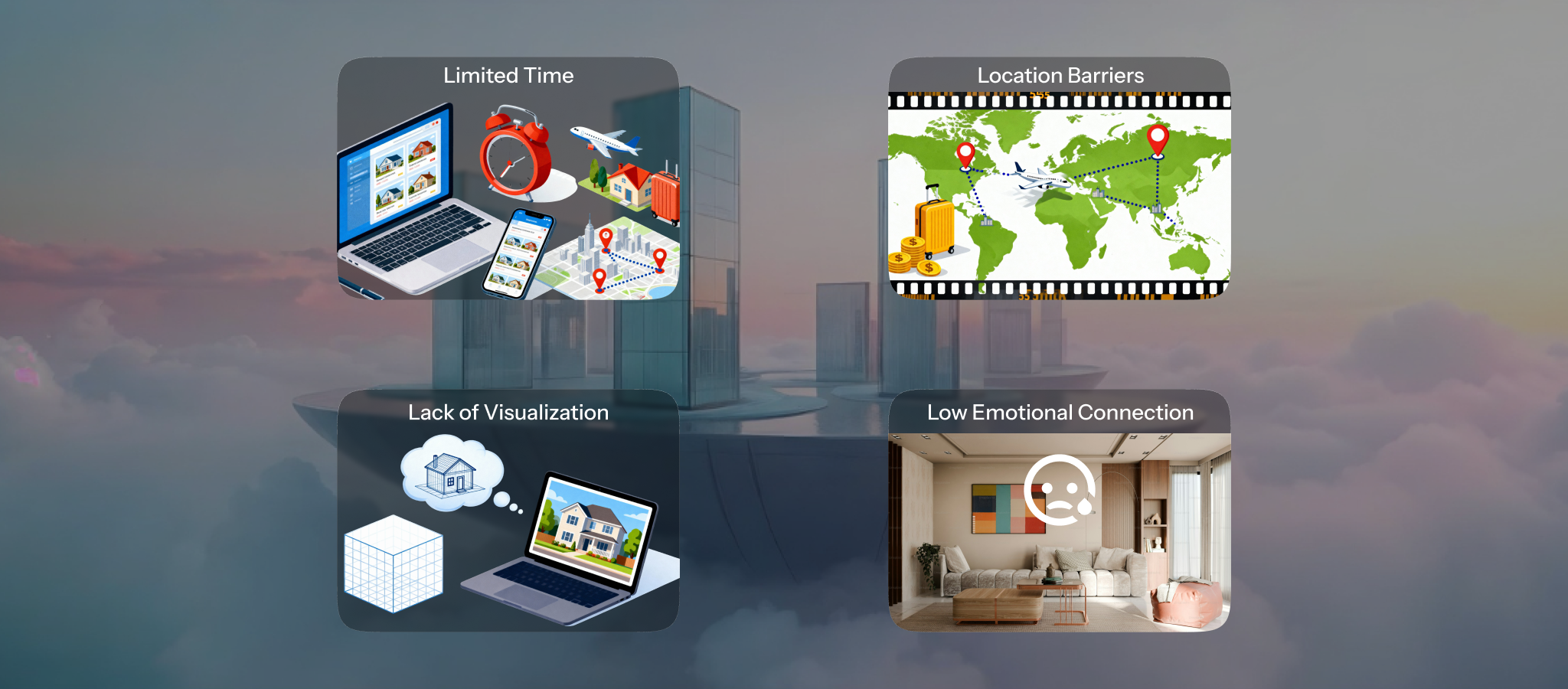
In real estate, one of the biggest challenges agents face is low buyer engagement. Inquiries may come in, but many potential buyers lose interest before scheduling a site visit. Whether due to time constraints, location barriers, or lack of emotional connection to the property, this drop-off can hurt sales and lead to stagnant listings.
Enter 3D virtual tours - an innovative tool reshaping the way properties are marketed and sold. These immersive, interactive experiences let buyers explore every corner of a property without stepping foot inside. By making viewings convenient, engaging, and visually rich, 3D virtual tours are helping real estate agents capture attention, build trust, and accelerate sales.
The Problem: Why Buyer Engagement Is Low
Buyer engagement is the heartbeat of real estate transactions. When buyers are actively interested, they:
- Ask questions about the property.
- Schedule physical visits.
- Move faster in making offers.
But when engagement is low, properties linger on the market. The main causes include:
1. Limited Time
Many buyers, especially working professionals or out-of-town clients, simply don’t have time to visit multiple properties in person.
2. Location Barriers
For international investors or buyers moving to a new city, physical visits can be costly and logistically difficult.
3. Lack of Visualization
Static images or basic videos can’t always help buyers visualize themselves living in the space, especially for under-construction or unfurnished properties.
4. Low Emotional Connection
A simple photo gallery doesn’t evoke the same emotional response as walking through a property - leading to lower urgency to take the next step.
The Solution: 3D Virtual Tours
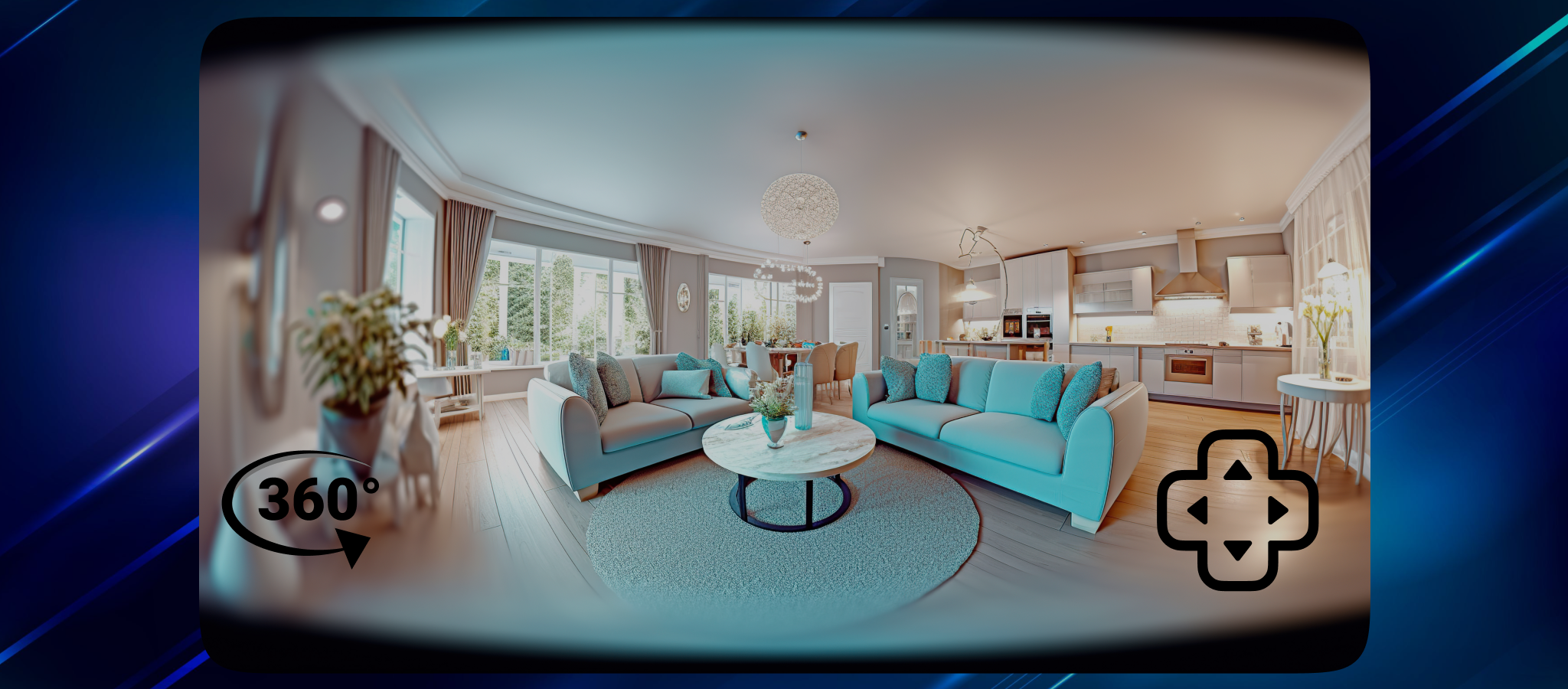
3D virtual tours are immersive, panoramic, 360-degree representations of properties. They allow buyers to:
- “Walk through” each room.
- Zoom in on details.
- Move between floors.
- Get a true sense of layout and flow.
With the right technology, buyers can explore properties from any device - laptop, tablet, or smartphone - anytime, anywhere.
How 3D Virtual Tours Boost Buyer Engagement
1. Anytime, Anywhere Viewing
Instead of waiting for an open house or scheduling a visit, buyers can explore the property instantly, increasing touchpoints between the property and the potential buyer.
Impact: The more often a buyer engages with a property, the higher the chance they’ll move forward.
2. Immersive Experience
Unlike static photos, 3D tours give a “being there” feel. Buyers can view from multiple angles, check room dimensions, and understand spatial relationships.
Impact: Better understanding means fewer surprises during physical visits, building trust.
3. More Qualified Leads
Since buyers have already explored the property online, they are more likely to be genuinely interested when they schedule an in-person visit.
Impact: Saves agents time and effort by focusing on serious buyers.
4. Emotional Connection
Virtual tours can highlight unique features — like a sunlit balcony, open kitchen, or luxury master bath — helping buyers imagine their life in the home.
Impact: Emotional connection drives faster decision-making.
5. Increased Global Reach
For international buyers, 3D tours make it possible to evaluate properties from overseas, removing one of the biggest barriers to purchase.
Impact: Opens up a wider buyer pool, increasing competition and potential sale prices.
Case Study: Before & After 3D Tours
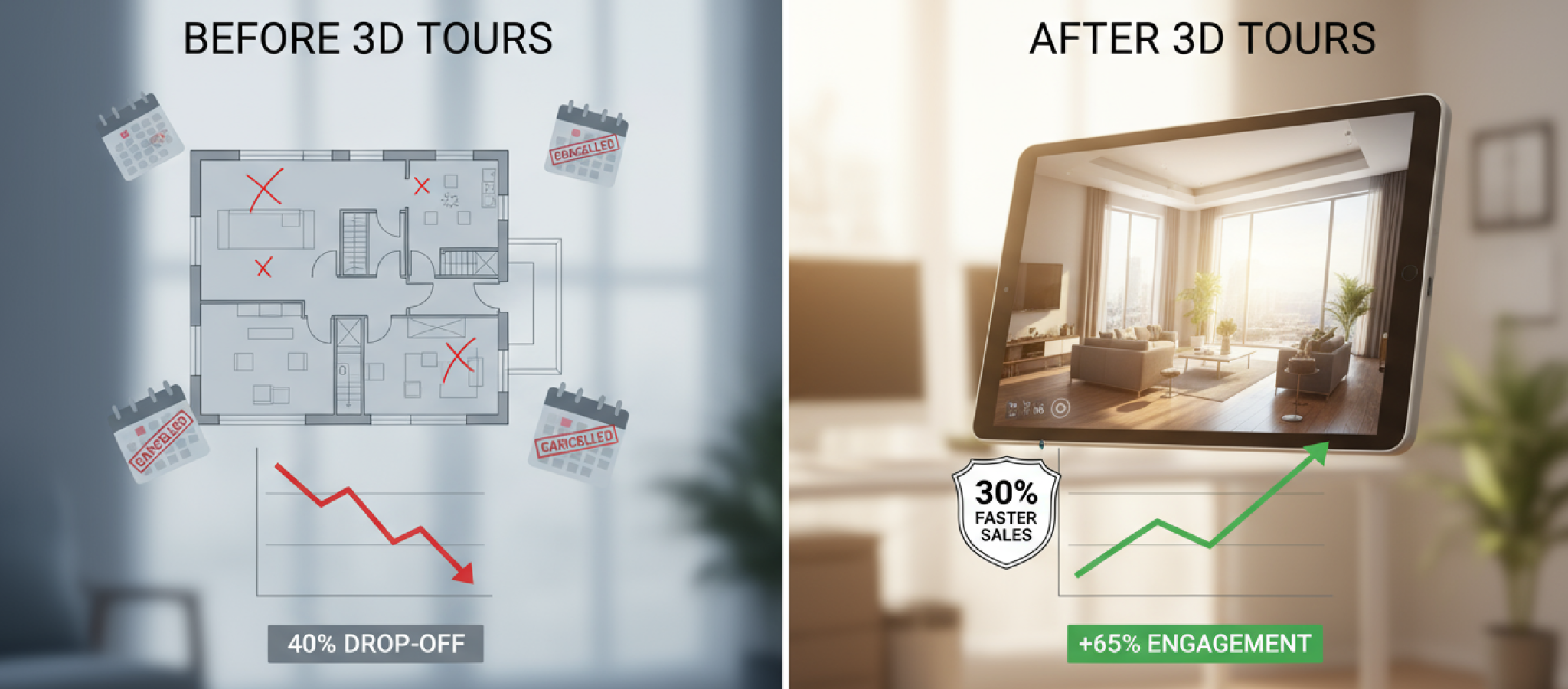
Before introducing 3D tours, a real estate agency in Mumbai noticed a 40% drop-off rate between inquiries and site visits for high-value properties. Buyers often postponed or canceled due to time constraints.
After integrating 3D virtual tours:
- Engagement rates increased by 65%.
- In-person visits became more purposeful and faster to convert.
- Properties sold, on average, 30% quicker than before.
The Technology Behind 3D Virtual Tours
Creating a professional 3D tour involves:
- 3D Cameras or Scanners – Capture panoramic images and depth data.
- Virtual Tour Software – Stitch together images into a navigable model.
- Interactive Features – Add hotspots, descriptions, or floor plans.
- Mobile Optimization – Ensure tours work seamlessly on smartphones.
Popular solutions include Matterport, EyeSpy360, and CloudPano — platforms that allow agents to create tours without needing extensive technical knowledge.
Best Practices for Using 3D Virtual Tours in Real Estate
1. Highlight Key Selling Points
Direct viewers to the property’s strongest features through clickable hotspots — like upgraded kitchens, spacious gardens, or scenic views.
2. Pair With Professional Photography
While 3D tours are immersive, high-quality still images are still essential for listing platforms and ads.
3. Keep It Simple
Not all buyers are tech-savvy. Ensure navigation is intuitive and instructions are clear.
4. Update Regularly
For properties still under construction, update the 3D tour as the project progresses to keep buyers engaged.
5. Combine With Other Marketing Tools
Pair 3D tours with video walkthroughs, drone footage, and social media campaigns to maximize exposure.
Benefits Beyond Buyer Engagement
While 3D tours are known for increasing buyer interest, they also offer other strategic advantages:
- Reduced Site Visits – Only genuinely interested buyers visit physically, saving time for agents and sellers.
- Higher Listing Visibility – Listings with 3D tours often get more clicks and longer viewing times.
- Better Transparency – Helps buyers feel informed and confident, reducing last-minute dropouts.
- Competitive Edge – Not all agents offer 3D tours, making it a unique selling proposition.
The Future: VR and AR in Real Estate
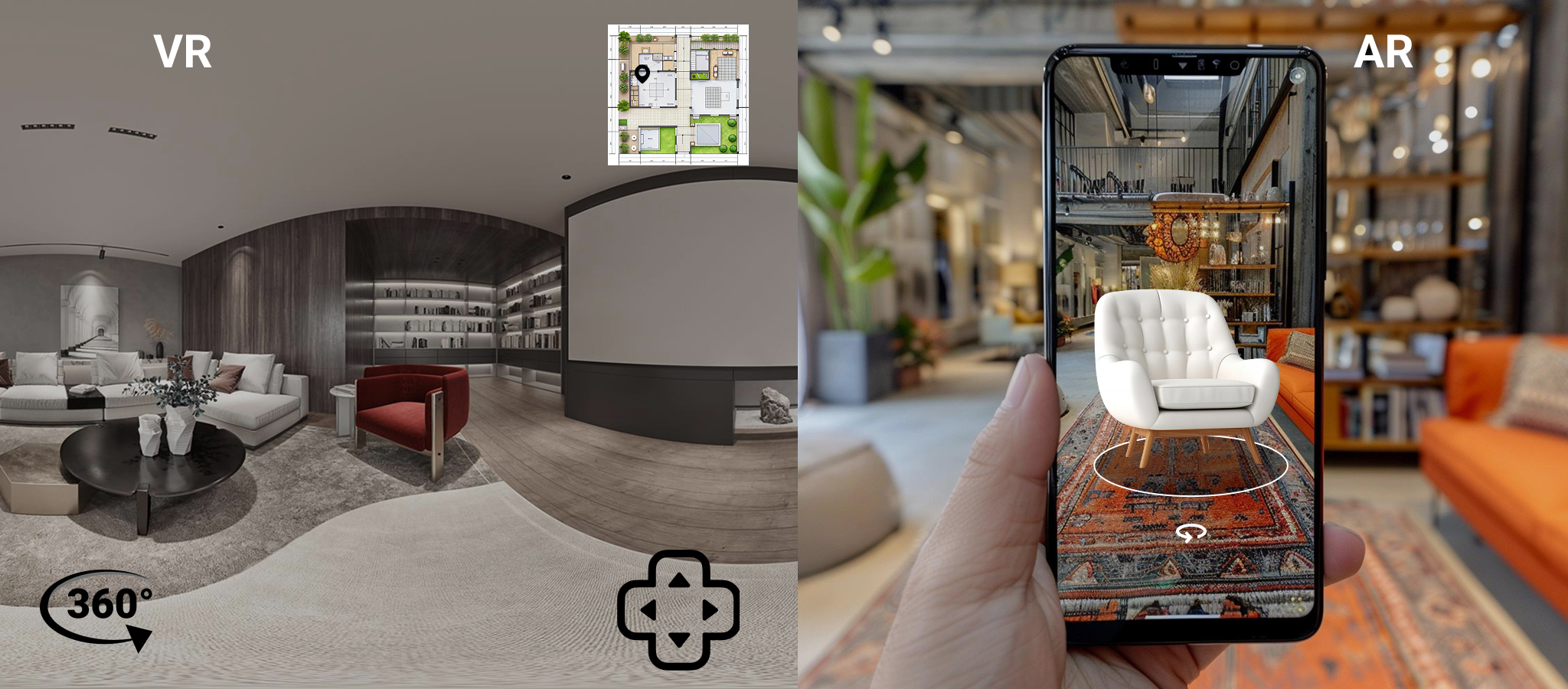
3D virtual tours are just the beginning. The future points toward:
- Virtual Reality (VR) – Buyers could use VR headsets for hyper-realistic walkthroughs.
- Augmented Reality (AR) – Buyers could visualize different furniture layouts or renovations in real-time.
- AI-Powered Tours – Personalized tour suggestions based on buyer preferences and search history.
These advancements will make property exploration even more interactive, eliminating many traditional sales barriers.
Common Myths About 3D Virtual Tours
Myth 1: They’re Too Expensive
While there’s an initial investment, 3D tours save money in the long run by reducing marketing cycles and increasing conversions.
Myth 2: Buyers Still Prefer Physical Visits
3D tours don’t replace in-person visits; they enhance them by pre-qualifying leads and increasing emotional attachment before the visit.
Myth 3: Only Luxury Properties Need Them
3D tours can benefit all property types — from budget apartments to commercial spaces — by providing clarity and convenience.
Conclusion
Low buyer engagement has long been a challenge for real estate agents, but 3D virtual tours are changing the game. By offering convenience, clarity, and emotional connection, they turn casual browsers into serious buyers. For agents, the message is clear: embrace immersive technology now or risk being left behind.
With the real estate market becoming increasingly competitive, 3D virtual tours aren’t just a marketing upgrade - they’re a necessity for selling faster, smarter, and to a wider audience.
FAQs
- How do 3D virtual tours increase buyer engagement?
They allow buyers to explore properties anytime, anywhere, giving them a realistic view and emotional connection, which keeps them interested longer and more likely to take the next step. - Are 3D virtual tours expensive to create?
While initial setup costs vary, many affordable platforms exist. The investment often pays off quickly through faster sales, better-qualified leads, and higher buyer satisfaction. - Can 3D virtual tours replace physical property visits?
Not entirely. They pre-qualify buyers by providing detailed views, meaning in-person visits are reserved for serious prospects, saving time and improving conversion rates. - Do 3D virtual tours work for under-construction properties?
Yes. Developers can create virtual models showing completed designs, helping buyers visualize the finished space and maintain engagement during construction phases. - Which devices can buyers use to view 3D tours?
3D tours are compatible with smartphones, tablets, and computers, and many also support VR headsets for a more immersive experience.


