

With the year 2025 just six months away, all industries are taking an upswing, including IoT. With technological advancements, the Internet of Things (IoT) is becoming increasingly integrated into daily life, from smart homes to wearable devices. Companies are investing more in IoT infrastructure to stay competitive in the market and meet the growing demand for interconnected devices.
History of IoT & How It Evolved
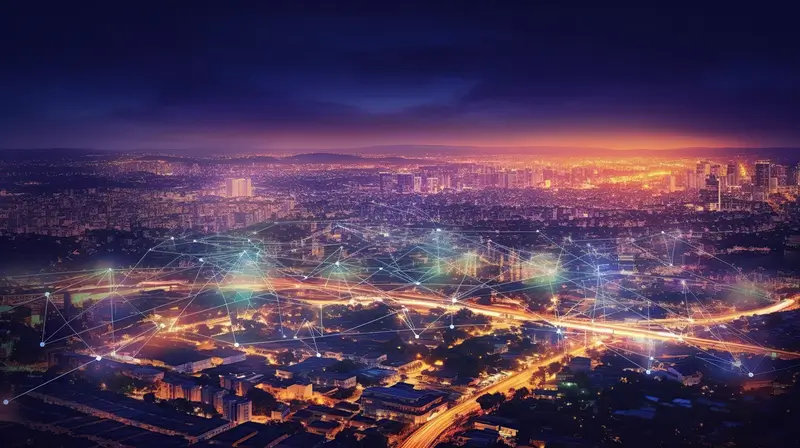
The Internet of Things (IoT) concept originated in the early 1980s with the creation of networked vending machines at Carnegie Mellon University. The term "Internet of Things" was coined by Kevin Ashton in 1999, envisioning a world where everyday objects are connected to the Internet. The 2000s saw the rise of RFID technology and wireless sensors, leading to the development of smart devices. The introduction of smartphones and advancements in wireless communication accelerated IoT growth. By the 2010s, IoT was widely adopted in various sectors, including healthcare, manufacturing, and smart homes, transforming industries and daily life.
As we approach 2025, it is clear that the IoT will continue to revolutionize the way we live and work, shaping the future of technology. Here's a look at what we can expect for IoT in 2025:
Recent Technological Advancements In IoT
Here's a quick run-through recent innovations and trends that IoT has picked up and is helping it grow further.
1.Widespread 5G Implementation
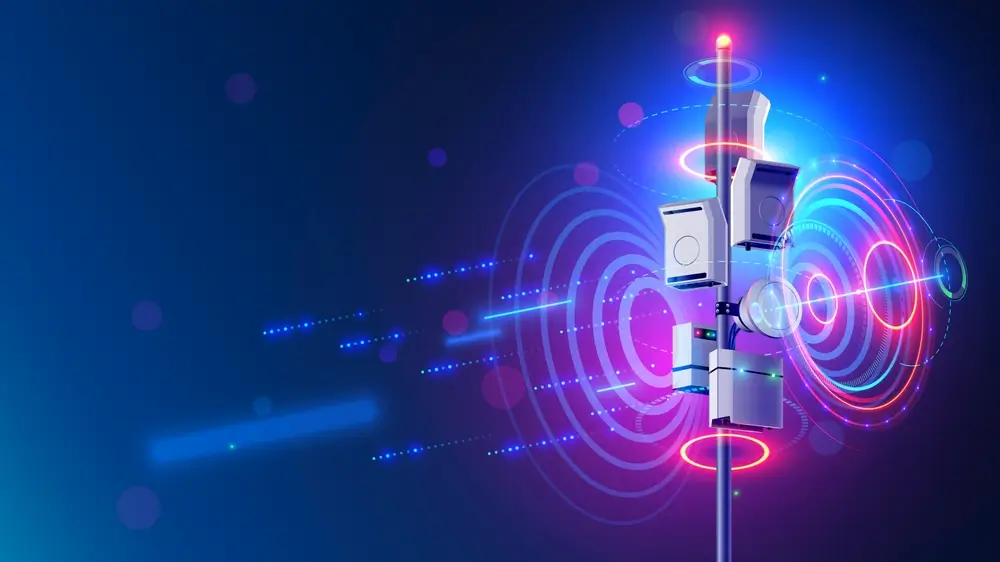
By 2025, 5G networks will be widely implemented, providing the backbone for IoT devices. The enhanced speed, lower latency, and greater capacity of 5G will enable seamless communication between IoT devices, fostering real-time data processing and more reliable connections.
2. Integration with AI and ML

By 2025, the integration of AI and ML with IoT will enable smarter, real-time decision-making across various applications. IoT devices will leverage AI and ML to analyze data locally with edge computing, enhancing efficiency and responsiveness. This will drive innovations in autonomous vehicles, healthcare monitoring, industrial automation, and smart cities, creating a more intelligent, interconnected, and efficient world.
3. Industry-Specific Developments
➜ Smart Cities
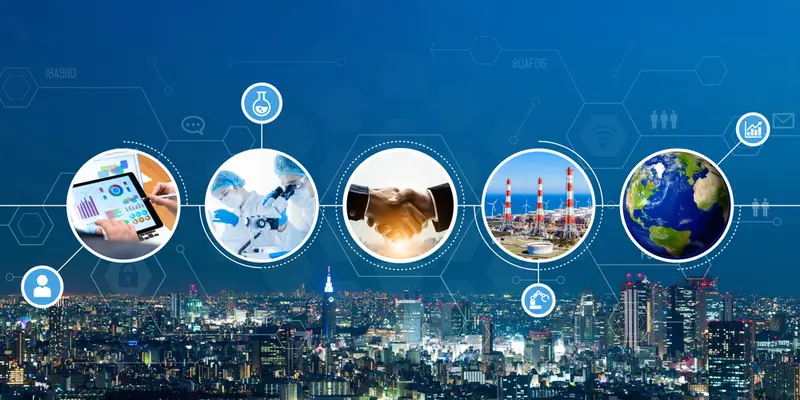
By 2025, smart city initiatives will gain momentum, leveraging IoT for better urban planning and management. It expects smarter traffic systems, energy-efficient grids, and enhanced public safety measures driven by IoT technologies.
➜ Healthcare
In healthcare, the IoT will enable more sophisticated telemedicine and remote monitoring solutions. By 2025, smart medical devices will provide real-time health data, improving patient outcomes and reducing the need for in-person visits.
➜ Manufacturing
The manufacturing sector will see a significant boost from Industrial IoT (IIoT). Smart factories will become more common, utilizing connected machines and sensors to optimize production processes, reduce downtime, and enhance supply chain management. For instance, people are using IoT with AI to develop next-gen robotic arms that are set to revolutionize industries.
➜ Retail
In retail, the IoT will revolutionize customer experiences. Automated checkouts, personalized shopping experiences, and smart inventory management will become standard, driven by data from IoT devices.
4. Societal Developments

➜ Improve Standard of living
IoT will continue to enhance daily life. Smart homes will become more intuitive, offering greater convenience and energy efficiency. Wearable devices will provide real-time health insights, promoting healthier lifestyles.
➜ Privacy and Ethical Considerations
The growth of IoT will bring privacy and ethical considerations to the forefront. Consumers will demand greater transparency and control over their data, leading to more stringent privacy regulations and ethical standards in IoT deployments.
5. Technological Innovations
➜ Quantum Computing
By 2025, we may see the initial integration of quantum computing with IoT. This will exponentially increase the processing power available for IoT applications, enabling more complex data analyses and faster problem-solving.
➜ Smart Dust and Nanotechnology
Innovations like smart dust—tiny wireless sensors—will become feasible, providing unprecedented levels of data collection and monitoring capabilities. Nanotechnology will also play a role in creating more efficient and durable IoT devices.
6. Global Adoption
➜ Emerging Markets
Emerging markets will experience significant growth in IoT adoption. Improved connectivity and lower costs of IoT devices will drive widespread use in regions previously underserved by technology, fostering economic growth and innovation.
Though IoT advancements have benefited industries, they have also raised privacy concerns.
Risks Associated With Privacy & Security

When it comes to advancement in tech, issues with privacy and security comes hand-in-hand. Here are some of the major concerns that IoT has to face in coming years:
- Data Breaches: IoT devices often collect and transmit large amounts of personal data. If not properly secured, these devices can be vulnerable to hacking, leading to data breaches and unauthorized access to sensitive information.
- Insufficient encryption: Many IoT devices lack robust encryption protocols. Weak or absent encryption can make data transmissions susceptible to interception and exploitation by malicious actors.
- Device Vulnerabilities: IoT devices can have software vulnerabilities that are exploited by cybercriminals. Manufacturers often prioritize functionality over security, leaving devices exposed to attacks like malware, ransomware, and unauthorized control.
- Lack of Standardization: The IoT ecosystem comprises various devices from different manufacturers, leading to a lack of standard security protocols. This inconsistency can create security gaps, making it challenging to protect interconnected systems effectively.
- Privacy Invasion: IoT devices, especially those used in homes and personal spaces, can collect detailed personal information. Without stringent privacy controls, this data can be misused for surveillance, identity theft, or sold to third parties without user consent.
Conclusion
The year 2025 promises to be a milestone for IoT, marked by enhanced connectivity, advanced computing, improved security, and widespread industry adoption. As the IoT continues to evolve, it will profoundly impact our lives, industries, and societies, creating a more connected and intelligent world. Embracing these advancements while addressing the associated challenges will be key to realizing the full potential of IoT.
FAQ’s
1. What are the 4 components of IoT?
The four components of IoT are sensors/devices (collect data), connectivity (transmit data), data processing (analyze data), and user interface (interact with the processed data and take action).
2. How does IoT improve daily life?
IoT improves daily life through smart homes (automated lighting, security), health monitoring (wearables), and smart cities (traffic management), providing convenience, efficiency, and enhanced quality of life.
3. What is edge computing in IoT?
Edge computing in IoT involves processing data closer to the source, reducing latency, conserving bandwidth, and enabling faster decision-making by analyzing data locally instead of sending it to the cloud.


