

Global supply chains are becoming increasingly complex and vulnerable to disruption. Events such as geopolitical tensions, natural disasters, pandemics, labor shortages, and transportation bottlenecks can halt production and delay deliveries. Traditional supply chain management methods often rely on historical reporting and manual monitoring, which makes it difficult to detect risks early.
Machine Learning (ML) is transforming supply chain resilience by enabling companies to predict disruptions before they escalate. By analyzing large volumes of data from suppliers, logistics networks, weather patterns, and global markets, ML systems can identify patterns that signal potential disruptions. This allows businesses to take proactive steps rather than react after problems occur.
This blog explores how machine learning detects supply chain disruptions early, the technologies involved, and real-world examples from global companies.
Why Early Disruption Detection Matters.
Supply chain disruptions can cause severe operational and financial losses. According to industry studies, supply chain interruptions can cost companies millions of dollars in lost revenue and operational downtime.
Common causes of disruptions include:
- Supplier failures
- Transportation delays
- Natural disasters
- Political instability
- Demand fluctuations
- Equipment breakdowns
- Inventory shortages
Traditional monitoring systems typically identify issues only after they occur. Machine learning systems, however, continuously analyze real-time data streams to identify warning signals before disruptions impact operations.
How Machine Learning Detects Supply Chain Risks
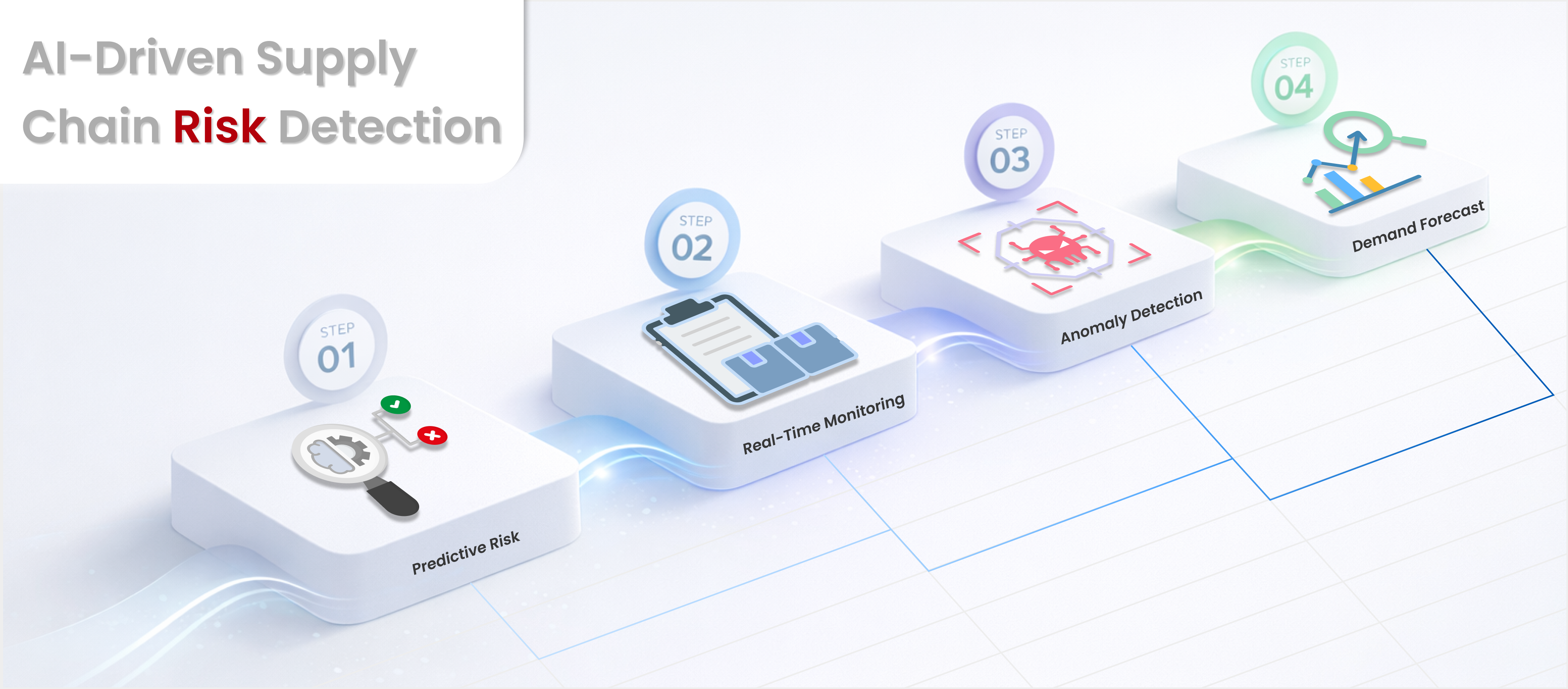
Machine learning algorithms analyze historical and real-time datasets to detect anomalies and forecast risks. These systems combine multiple data sources, including logistics data, weather reports, economic indicators, and supplier performance metrics.
1. Predictive Risk Modeling
Machine learning models analyze historical disruption events to identify patterns that typically precede supply chain problems. These models then monitor live data to detect similar patterns.
For example, if past disruptions occurred when a supplier's delivery times increased while demand surged, the model flags this as an early warning signal.
2. Real-Time Data Monitoring
ML systems monitor multiple data sources simultaneously:
- Shipment tracking systems
- Supplier performance databases
- Warehouse inventory data
- Weather data
- Port congestion reports
- Global news feeds
By processing these inputs continuously, machine learning systems can identify unusual changes in the supply chain.
3. Anomaly Detection
Anomaly detection algorithms identify unexpected deviations from normal supply chain patterns.
Examples include:
- Sudden drops in supplier output
- Unexpected shipping delays
- Unusual inventory depletion
- Increased transportation times
When these anomalies occur, ML systems automatically trigger alerts for supply chain managers.
4. Predictive Demand Forecasting
Machine learning models analyze sales trends, customer behavior, market signals, and seasonal demand patterns to forecast future demand.
Accurate demand forecasting helps businesses prevent disruptions caused by stockouts or overproduction.
Real-Life Examples of Machine Learning in Supply Chain Risk Detection
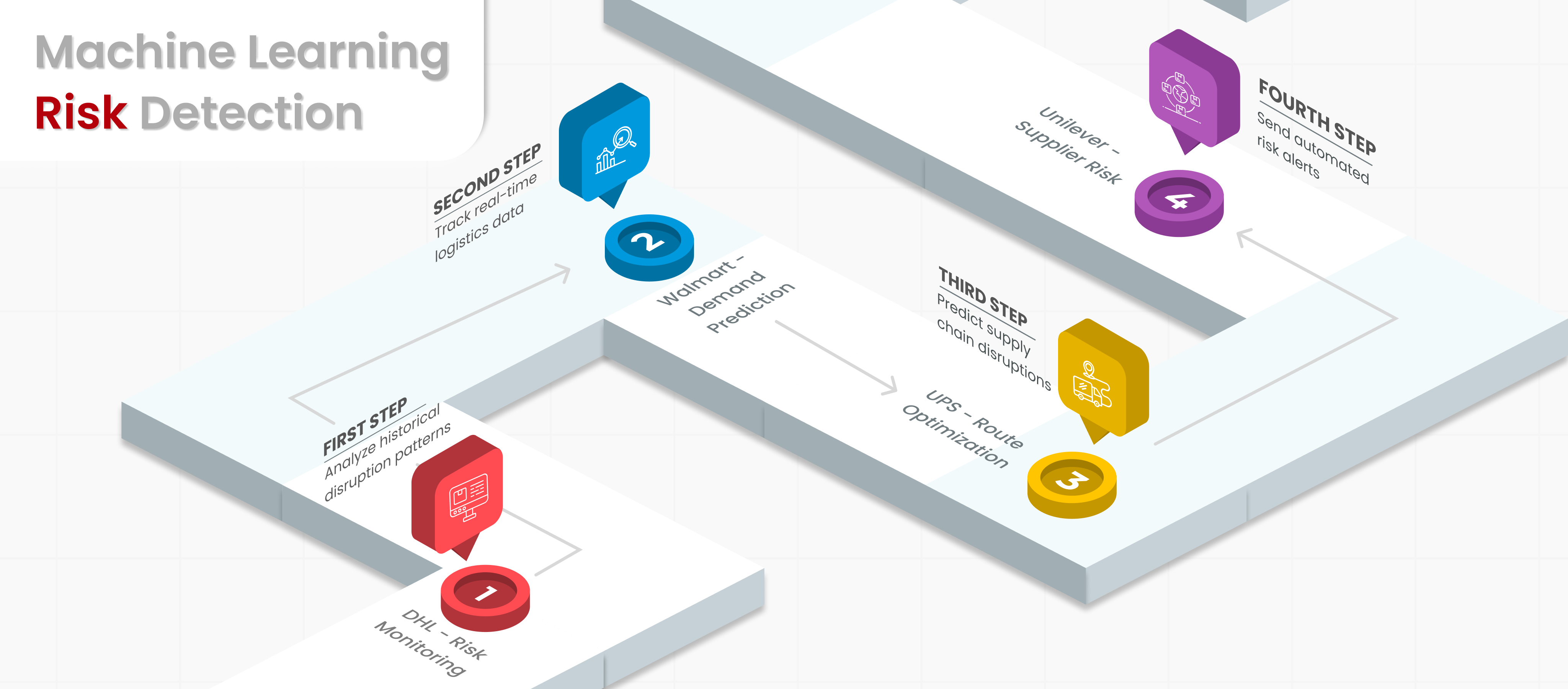
DHL’s AI-Powered Risk Monitoring
Global logistics provider DHL uses machine learning to analyze real-time logistics data and global news sources to detect supply chain risks. Their system monitors port congestion, weather disruptions, and political developments.
This predictive monitoring allows DHL to reroute shipments early and minimize delivery delays.
Walmart’s Demand Prediction System
Walmart uses machine learning models to analyze purchasing patterns, weather forecasts, and regional demand changes. During hurricane seasons, the system predicts demand surges for essential products like bottled water and batteries.
This allows Walmart to pre-position inventory before storms disrupt supply routes.
UPS Network Optimization
UPS uses machine learning algorithms to optimize delivery routes and predict potential disruptions such as traffic congestion, weather conditions, or airport delays.
Their ORION system has saved millions of gallons of fuel and improved delivery reliability by identifying optimal routes in real time.
Unilever Supplier Risk Analytics
Unilever uses AI-driven analytics to monitor supplier performance, financial stability, and geopolitical risks. Machine learning models analyze supplier data to detect early warning signs of supplier failure.
This enables the company to diversify sourcing strategies and reduce dependency risks.
Key Benefits of Machine Learning in Supply Chain Management
Faster Risk Detection
Machine learning models identify disruption signals much earlier than manual monitoring systems.
Improved Forecast Accuracy
Advanced predictive models improve demand forecasting and inventory planning.
Better Decision-Making
AI-driven insights allow supply chain managers to make faster and more informed decisions.
Reduced Operational Costs
Early detection helps avoid emergency logistics expenses, stockouts, and production delays.
Enhanced Supply Chain Resilience
Organizations can proactively adapt to disruptions rather than react to them.
Technologies Powering Machine Learning Supply Chain Systems
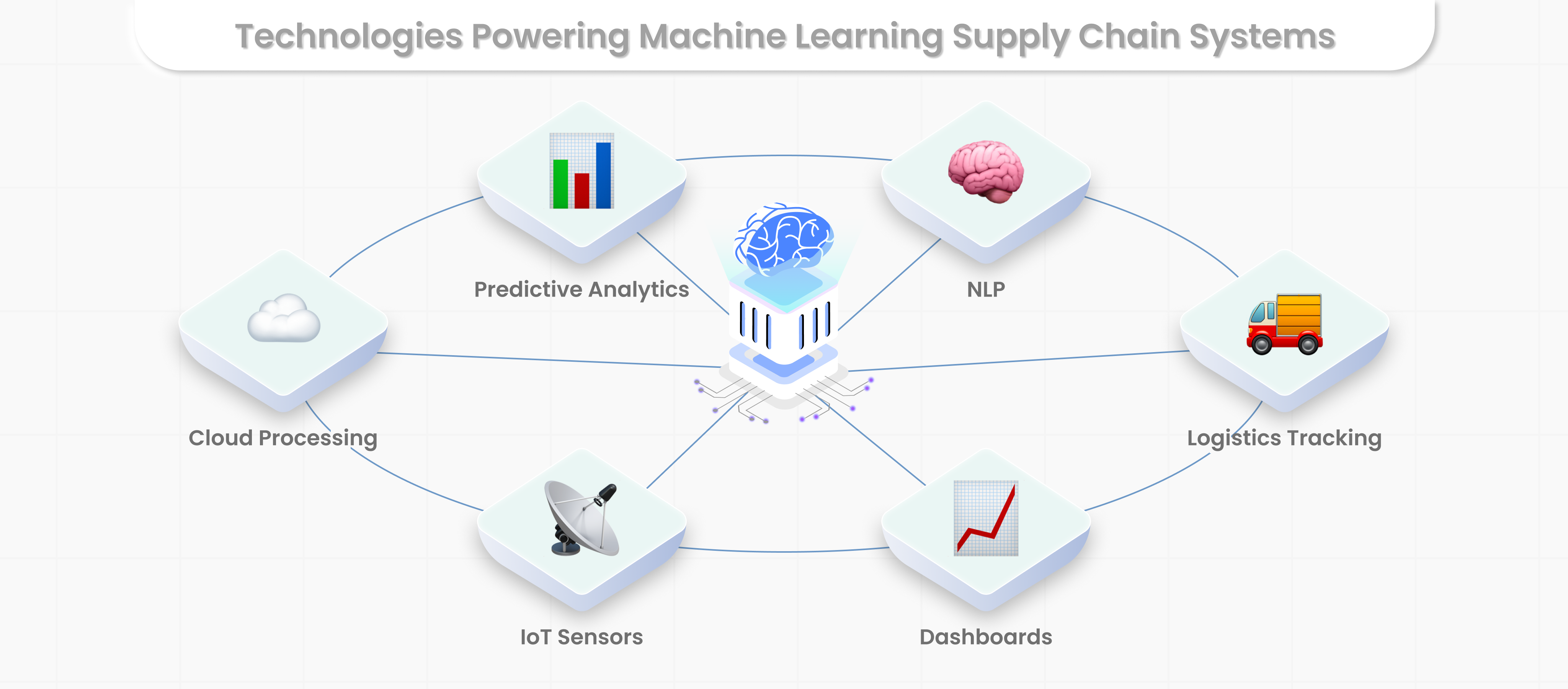
Several advanced technologies support ML-driven disruption detection:
- Predictive analytics platforms
- Cloud-based data processing
- Internet of Things (IoT) sensors
- Real-time logistics tracking systems
- Natural Language Processing for news monitoring
- Advanced data visualization dashboards
When integrated, these technologies create a comprehensive supply chain intelligence platform.
Challenges in Implementing Machine Learning
Despite its benefits, implementing machine learning in supply chains requires overcoming several challenges.
Companies must address:
- Data integration across multiple systems
- Data quality and consistency
- Skilled AI and data science talent
- Integration with existing ERP and logistics platforms
- Change management across supply chain teams
However, organizations that successfully implement ML-driven supply chain systems gain a significant competitive advantage.
The Future of AI-Driven Supply Chains
In the coming years, machine learning will play an even greater role in supply chain automation. Future supply chain systems will include autonomous decision-making agents that automatically adjust procurement, logistics, and production plans when risks are detected.
Technologies such as digital twins, predictive analytics, and AI workflow agents will enable organizations to build fully intelligent supply chains that continuously learn and adapt to global conditions.
Companies that invest in machine learning today will be better prepared to handle tomorrow’s disruptions.
FAQs
1. How does machine learning detect supply chain disruptions?
Machine learning analyzes historical and real-time logistics, supplier, and market data to identify patterns, anomalies, and early signals that indicate potential supply chain disruptions.
2. What data sources are used for disruption prediction?
Machine learning systems analyze shipment tracking, supplier data, weather reports, inventory levels, market trends, and news feeds to detect supply chain risks.
3. Can machine learning prevent supply chain disruptions completely?
Machine learning cannot eliminate disruptions but enables early detection and proactive planning, allowing businesses to mitigate risks before they affect operations.
4. Which industries benefit most from AI-driven supply chain analytics?
Retail, manufacturing, logistics, pharmaceuticals, automotive, and e-commerce industries benefit significantly from predictive supply chain analytics and machine learning systems.
5. What technologies support machine learning supply chain systems?
Cloud computing, IoT sensors, predictive analytics platforms, real-time logistics tracking systems, and AI-powered dashboards support machine learning supply chain solutions.


