

In our fast-paced, hyper-connected world, stress, anxiety, and burnout have become part of daily life. In response, millions are turning inward — not just for peace, but for purpose. The pursuit of spiritual wellness is no longer confined to temples or retreats; it’s now available in the palm of your hand. From mindfulness and meditation to astrology and energy healing, spiritual wellness apps are bridging the gap between ancient wisdom and modern technology.
But what exactly makes these apps so powerful — and popular? Let’s explore how they work, the philosophies they’re rooted in, and how they’re shaping the future of inner wellbeing.
What is Spiritual Wellness?
Spiritual wellness refers to a deep sense of connection — with oneself, with others, and with something greater. It's not necessarily religious; rather, it involves aligning with inner values, finding meaning in life, and achieving mental peace and emotional balance.
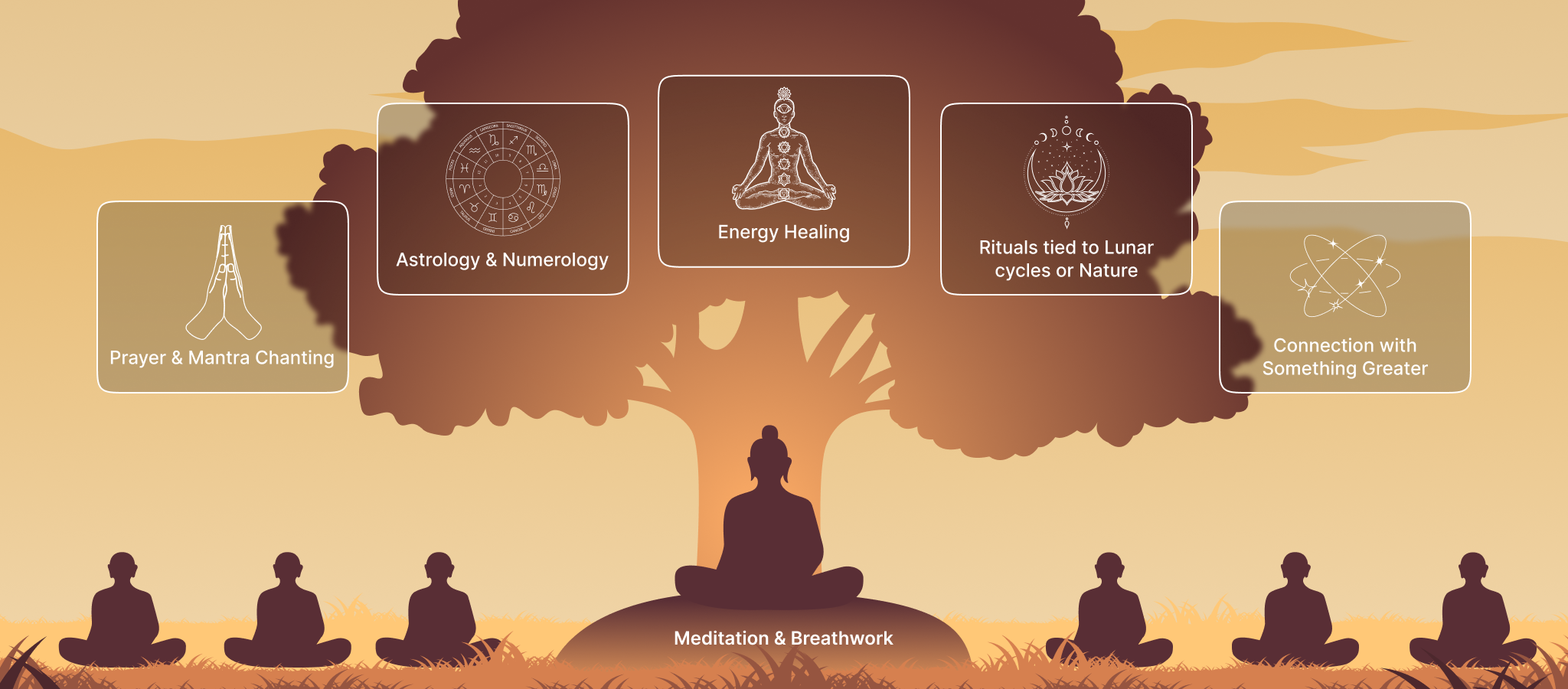
Traditional spiritual practices include:
- Meditation and breathwork
- Prayer and mantra chanting
- Astrology and numerology
- Energy healing (Reiki, chakra balancing)
- Rituals tied to lunar cycles or nature
Until recently, accessing these required in-person learning, guidance from spiritual teachers, or time-consuming study. But digital platforms are changing that.
The Rise of Spiritual Wellness Apps
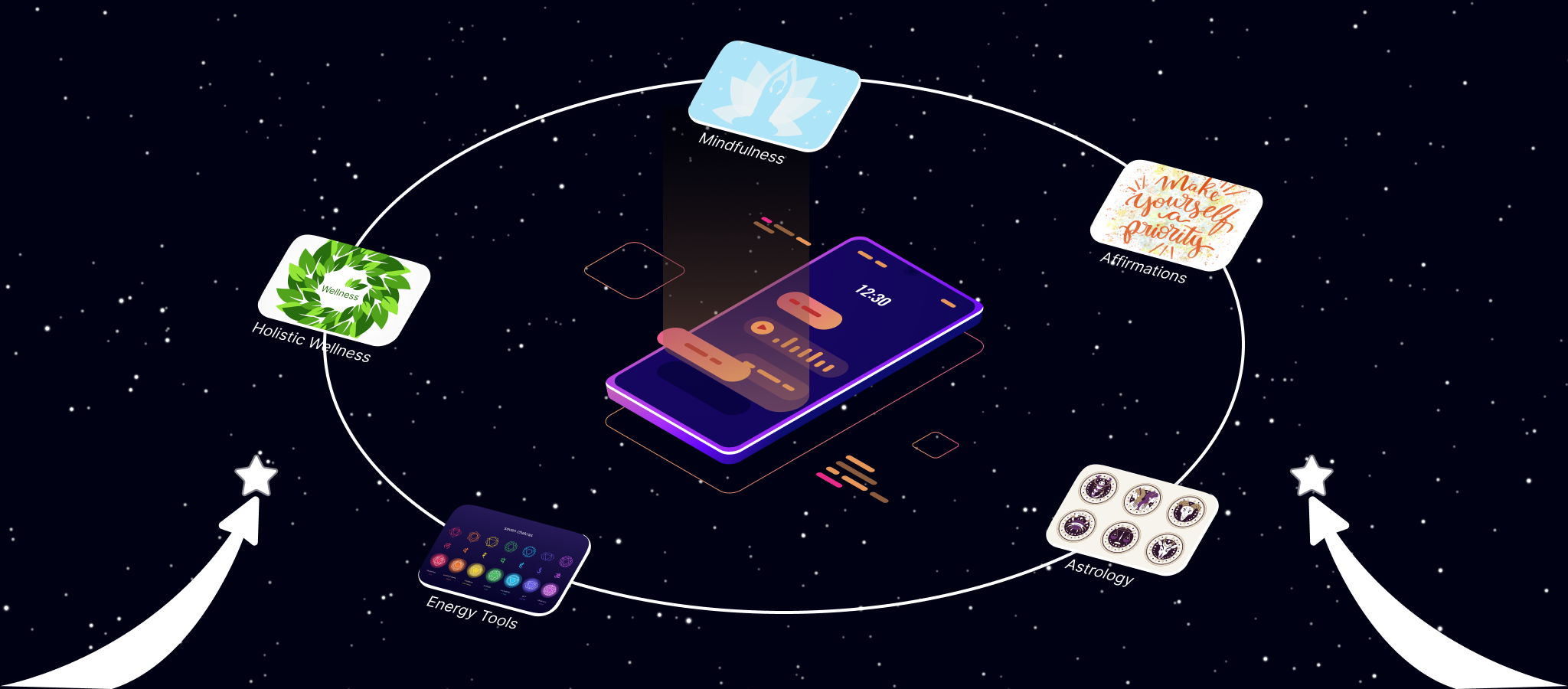
From 2020 onward, demand for wellness and spirituality apps has surged. The pandemic, remote work, and global uncertainty triggered a collective need for mental clarity and emotional healing. As a result, platforms that once focused on fitness or productivity began integrating mindfulness, affirmations, astrology, and energy tools.
Today, there’s an app for every spiritual need — and many combine multiple modalities for holistic wellness.
Key Categories of Spiritual Wellness App
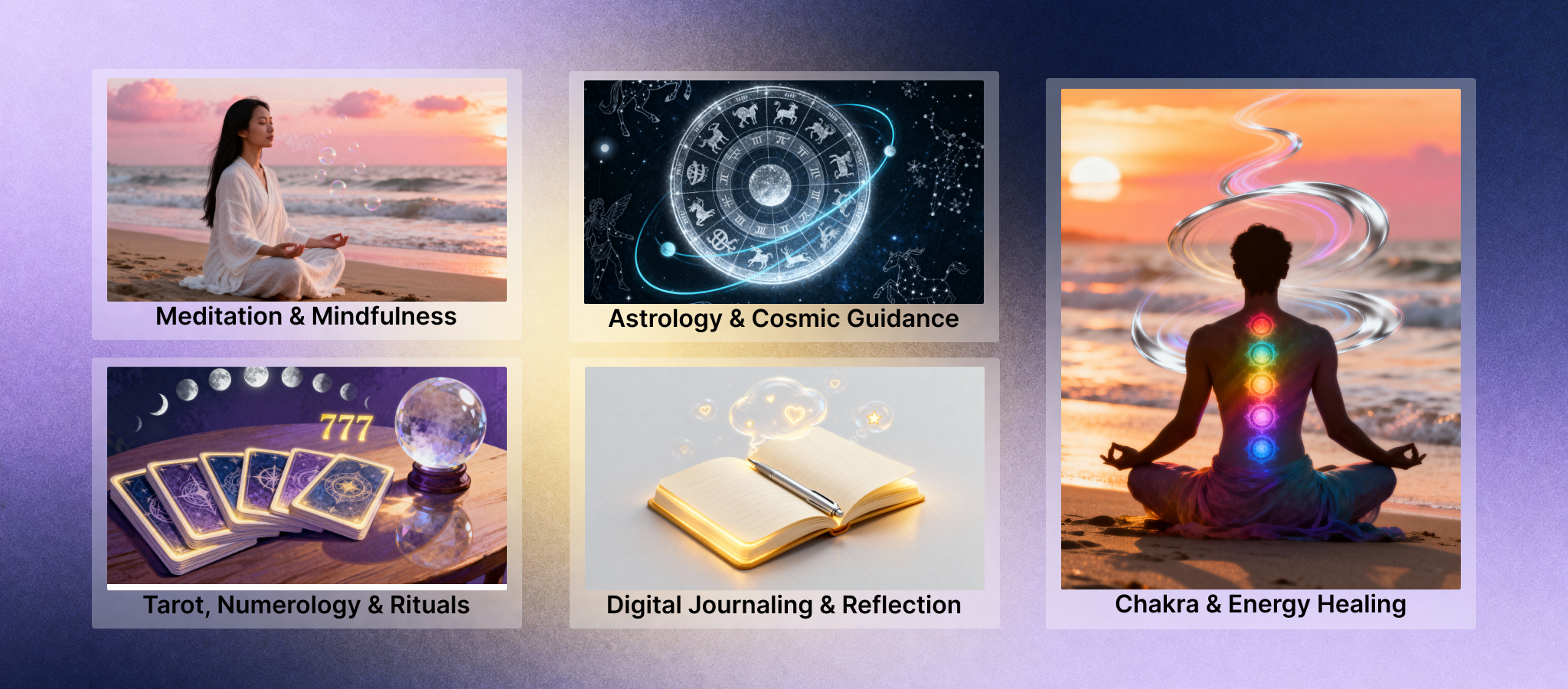
Let’s break down the major categories reshaping the spiritual landscape through tech:
1. Meditation & Mindfulness
Popular Apps: Calm, Headspace, Insight Timer, Balance
These apps guide users through:
- Breathwork sessions
- Body scans
- Guided meditations (sleep, stress relief, gratitude)
- Mindful affirmations
Ancient roots: Derived from Buddhist, Vedic, and Stoic traditions — reimagined with soft visuals and soothing narrators.
2. Astrology & Cosmic Guidance
Popular Apps: Co–Star, The Pattern, Sanctuary, Astro Future
These tools use your birth chart to deliver:
- Daily horoscopes
- Relationship compatibility insights
- Planetary transit updates
- Astro-therapy recommendations
Ancient roots: Based on centuries-old planetary systems (Western, Vedic, Chinese astrology) — but now using AI and NLP to deliver real-time cosmic advice.
3. Chakra & Energy Healing
Popular Apps: Chakra Meditation, Reiki Healing, Aura
They offer:
- Guided chakra balancing meditations
- Aura scans using your device’s camera
- Sound healing sessions for energy realignment
Ancient roots: Vedic chakras, Chinese meridians, Japanese Reiki — now supported with soothing animations and binaural beats.
4. Digital Journaling & Reflection
Popular Apps: Jour, Reflectly, Stoic
These combine psychology and spirituality with:
- Daily gratitude journaling
- Shadow work prompts
- Affirmation logging
- Emotion tracking through icons or writing
Ancient roots: Journaling practices from spiritual teachers like Marcus Aurelius or Yogic traditions — now gamified and trackable.
5. Tarot, Numerology & Rituals
Popular Apps: Labyrinthos, Moonly, Yodha, Nebula
Features include:
- Tarot card readings
- Lunar calendar rituals
- Angel number alerts
- Personalized numerology insights
Ancient roots: Tarot (Europe), Numerology (Pythagoras/Chaldean), Moon worship (various cultures) — reimagined with AI-generated card spreads and notifications synced with lunar cycles.
How Technology Enhances Spiritual Practice
Technology is not replacing spirituality — it's enhancing accessibility and personalization. Here’s how:
1. Anytime, Anywhere Access
No need to wait for a guru or therapist. Whether it's a 3 a.m. anxiety spiral or a mid-day panic, help is one tap away.
2. Data-Driven Self-Awareness
Apps track moods, thoughts, and patterns over time, creating insightful reports that show growth or emotional blocks.
3. Personalization via AI
AI learns user behavior to deliver affirmations, meditations, or spiritual insights tailored to the individual.
4. Immersive Experience
Calming visuals, nature sounds, and binaural beats mimic the vibe of a retreat — right on your smartphone.
5. Global Community Access
Apps like Insight Timer or Chani offer group meditations, live astrologer sessions, and forums — fostering digital sanghas (spiritual communities).
Challenges & Ethical Considerations
While spiritual tech offers immense value, it also raises questions:
1. Commercialization of Spirituality
Are ancient wisdom traditions being turned into trend-driven, subscription-based commodities?
2. Loss of Depth
Simplified rituals or one-size-fits-all affirmations may miss the personal nuance a teacher or healer would offer.
3. Data Privacy
Sensitive emotional or birth data is stored on these platforms — but not all are transparent about how it’s used.
4. Over-Reliance
There’s a risk of users becoming dependent on notifications or daily horoscopes instead of cultivating inner intuition.
The Future of Spiritual Wellness Tech
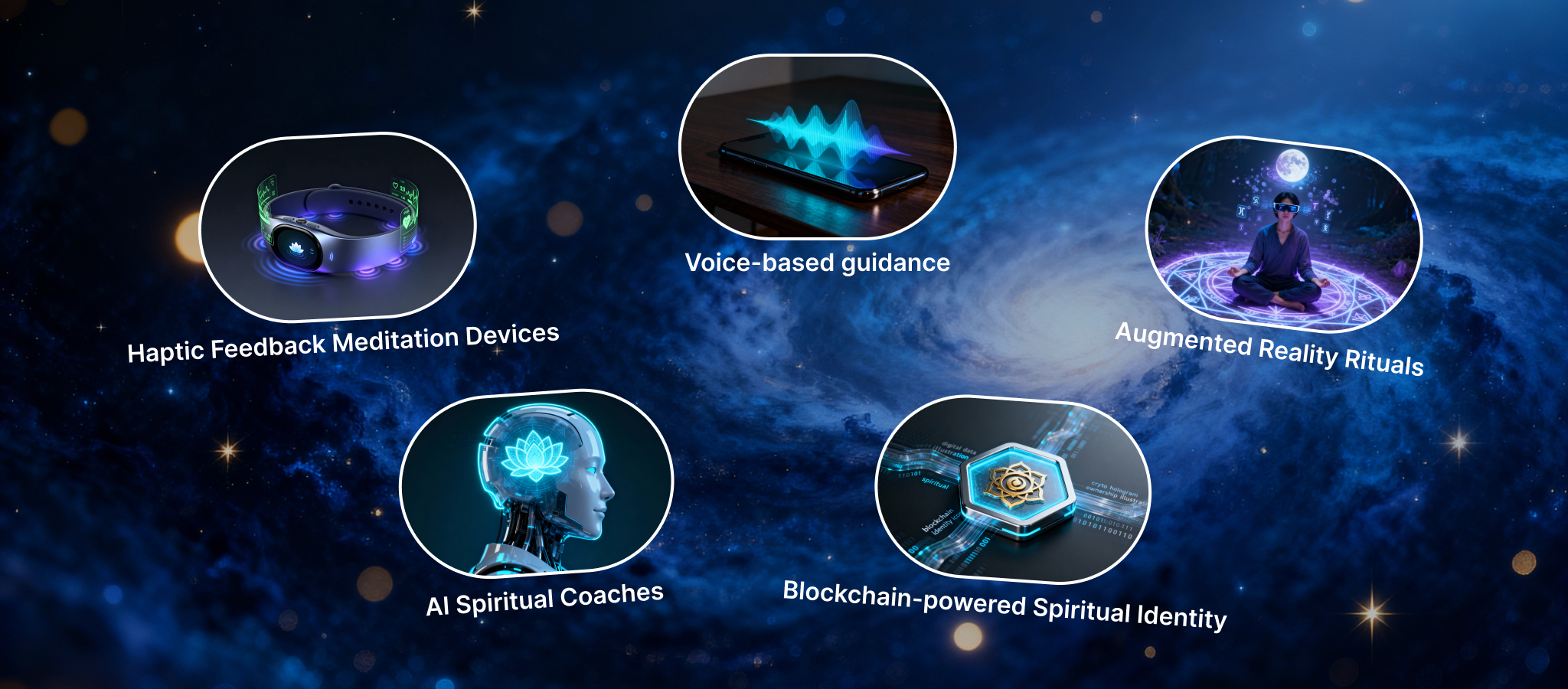
Here’s what we might see next:
- Voice-based guidance via Alexa/Siri (e.g., “Play my chakra meditation”)
- Augmented Reality Rituals – immersive moon rituals or breathwork via AR
- Haptic Feedback Meditation Devices – wearables that guide breath through vibration
- AI Spiritual Coaches – bots that analyze emotional states and recommend affirmations or healing activities
- Blockchain-powered Spiritual Identity – where users own and control their spiritual progress data
Real Stories: Spiritual Tech in Everyday Life
- Neha, a 34-year-old corporate professional, starts every day with a personalized affirmation and 10-minute meditation via the Balance app, helping her manage workplace stress.
- Rahul, a college student, tracks his moods and planetary influences using The Pattern, noticing how his energy peaks during certain transits — helping him plan exams more strategically.
- Maria, a spiritual entrepreneur, uses Insight Timer to host live energy healing sessions and build a global community of like-minded souls.
Final Thoughts
The blend of ancient spiritual wisdom and modern technology is not a compromise — it’s a convergence. These apps are not here to replace traditional teachers or deep practices but to offer a gateway to them — especially for those just beginning their journey.
When used mindfully, spiritual wellness apps can be powerful tools for healing, growth, and self-discovery. They bring rituals, reflection, and cosmic connection into our daily lives — without needing to escape to the Himalayas or Bali.
As the world becomes more digital, it’s heartening to see spirituality keeping pace — helping us reconnect not just with our phones, but with ourselves.
FAQs
Q1. Are spiritual wellness apps effective for mental health?
Yes, many offer evidence-based tools like meditation and journaling that improve focus, reduce anxiety, and boost emotional resilience.
Q2. Are these apps religious?
No. Most apps are spiritual but non-denominational — rooted in universal practices like mindfulness, astrology, and breathwork.
Q3. Can I use more than one app?
Absolutely! Many users combine apps — e.g., one for meditation, one for astrology, one for journaling — to create a holistic routine.
Q4. Are free versions useful?
Yes. While premium features add value, most free versions provide essential tools like basic meditations, daily horoscopes, and affirmations.
Q5. How can I choose the right app for me?
Reflect on your goals (stress relief, self-discovery, cosmic insight) and choose apps with user-friendly design and good reviews.


